

At a glance
- Start with a dermatologist's assessment of your hair and scalp.
- Your plan may include medicines, PRP, GFC, exosomes or a hair transplant assessment.
- Book a consultation in New Baneshwor, Maharajgunj or Pokhara.
Which treatments can help with hair loss?
PRP, GFC, exosomes and hair transplants address different needs. We assess your hair loss, scalp health and goals before explaining which of these options may fit your plan.

PRP hair treatment
A platelet-rich preparation from your own blood is injected into the scalp. It may be considered for selected types of hair loss.
Explore PRP treatment →
GFC hair treatment
A blood-derived treatment used in hair restoration. We discuss whether it has a role in your plan, what it involves and how to review the response.
Explore GFC treatment →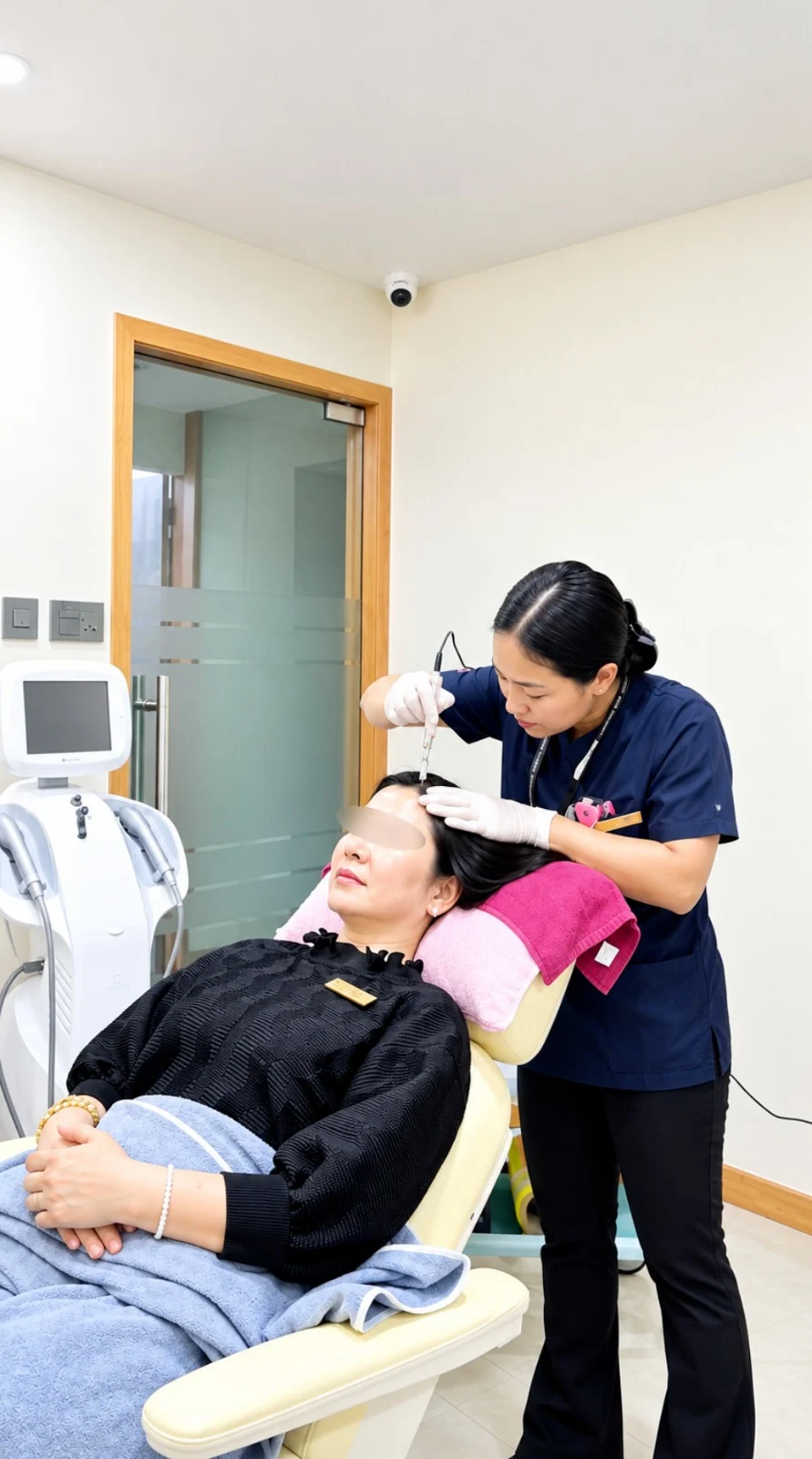
Exosome hair treatment
Scalp treatment using exosome preparations is an emerging approach. We discuss the evidence, limitations and whether it fits your assessment.
Explore exosome treatment →
Hair transplant
Hair is moved from a donor area to an area with hair loss. An assessment considers your donor supply, scalp condition and intended coverage.
Explore hair transplant →Do you always need a procedure?
No. Medicines, treatment for a scalp condition or changes to your hair-care routine may be more appropriate. Some shedding improves as its trigger resolves. Nutritional support is most useful when it addresses an actual need.
If injections are being considered, our PRP and GFC comparison explains the differences in preparation, research and treatment commitment.
What could be causing your hair fall?
Gradual thinning may run in the family. Increased shedding can follow illness, childbirth, weight loss or a stressful period. Scalp conditions and damaging hair-care habits can also play a part.
The pattern and timing help us decide what to investigate. Tell your dermatologist about:
- Increased shedding: more hair on your brush, pillow or in the shower, and when you first noticed it.
- Gradual thinning: a widening part, thinning crown or receding hairline, including any family history.
- Patchy loss or scalp changes: bald patches, broken hairs, itching, scaling or soreness.
You do not need to work out the cause before booking. The consultation is where we start.
What role do medicines and everyday care play?
Minoxidil may help with early pattern hair loss, but improvement takes months and continued use is needed to maintain its benefit. Prescription options depend on your diagnosis and health. We explain the expected benefits and possible side effects, including whether medicine has a role alongside a procedure.
Tight hairstyles and damaging hair-care habits can contribute to loss. Changing those habits may be part of treatment. Supplements are not a substitute for finding the cause; a suspected deficiency should be assessed before choosing nutritional treatment.
What happens at your hair consultation?
-
Talk through your concerns
We discuss what has changed, when it started, your health and treatment history, and what you hope to achieve. Bring details of medicines, supplements and hair products you use.
-
Examine your hair and scalp
Your dermatologist looks at the pattern of loss and the condition of your scalp. Your history and examination guide whether tests or another specialist's input would be useful.
-
Agree on the next step
We explain the options, expected benefits, risks and follow-up. We discuss alternatives and the time involved so you can decide on the next step.
Will you need tests for hair loss?
Many clues come from your history and scalp examination. Blood tests may help when a deficiency, hormone problem or another illness is suspected. Occasionally, a scalp biopsy is useful when the diagnosis remains unclear. More than one cause can be present at the same time.
Testing is selected to answer a clinical question, rather than offering everyone the same package. The American Academy of Dermatology's hair-loss guidance explains this approach to diagnosis and treatment.
How will we review your progress?
We review the changes that matter to your plan: shedding, scalp symptoms, visible thinning or hair density. Hair growth takes time, and results vary with the cause of hair loss and the treatment used.
Follow-up is also a chance to discuss side effects and whether your plan needs to change. Some treatments need ongoing use or maintenance to retain their benefit. If progress is limited, we revisit the next step with you.
What does hair-loss treatment cost in Nepal?
Your consultation helps us understand the care you need and the treatment options available to you. For procedure-specific information, explore PRP treatment or hair transplant costs.
Meet our dermatologists for hair and scalp care
Tell our team that you are booking for hair loss so we can arrange an appropriate consultation.
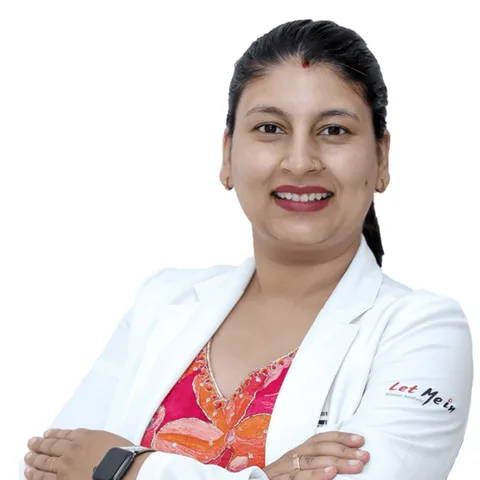
Dr. Kiran Sanjel
Dermatologist · New Baneshwor and Maharajgunj
Consultations for skin and hair concerns, with care planned around your assessment.
View Dr. Kiran's profile →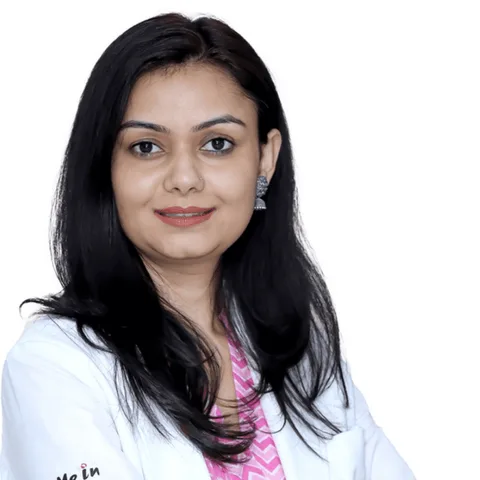
Dr. Bandana Jha
Dermatologist · New Baneshwor
Care for hair disorders as part of her medical and procedural dermatology practice.
View Dr. Bandana's profile →
Dr. Rosina Paudel
Dermatologist · Maharajgunj
Dermatology and hair restoration care, with fellowship training in hair transplant and aesthetic dermatology.
View Dr. Rosina's profile →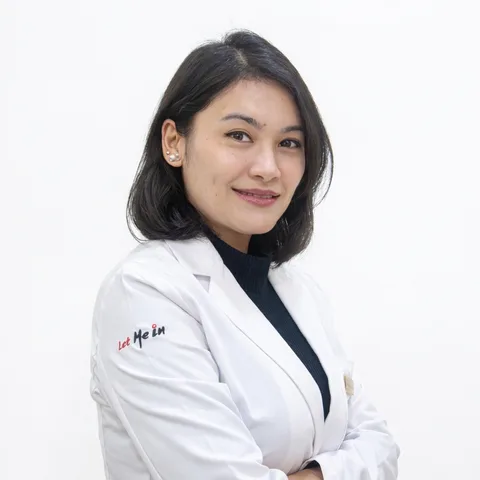
Dr. Rishna Malla
Dermatologist · Pokhara
Care for hair and scalp disorders, including hair-loss treatment and PRP therapy.
View Dr. Rishna's profile →Where can you book a hair consultation?
Visit us in Kathmandu or Pokhara. Our team will confirm your appointment and any arrangements for treatment or follow-up.


Common questions about hair-loss treatment
Does everyone with hair fall need PRP or GFC?
No. Finding the cause helps determine whether a procedure, medical care, monitoring or another approach is appropriate.
Can hair grow back without a procedure?
Sometimes. Shedding after an illness or another temporary trigger may settle as the body recovers. Other types of hair loss need ongoing management. An assessment helps distinguish between them.
Do I need blood tests before treatment?
Not necessarily. Your history and examination guide whether tests would be useful and what they should investigate. Bring any recent reports so your dermatologist can review them.
Can stress make my hair fall out?
Stress can contribute to increased shedding, but it should not be assumed to explain every change. Mention recent stressful events alongside other health changes.
Is keratin treatment the same as hair-loss treatment?
No. Keratin treatments change how the hair looks and feels. They do not replace an assessment for shedding, thinning or a scalp condition.
What should I bring to my appointment?
Bring a list of medicines and supplements, details of previous hair treatments and any relevant reports. Older photographs can help show how your hair has changed. Tell your dermatologist if you are pregnant, breastfeeding or planning pregnancy, as this can affect treatment choices.