


At a glance
- We begin with a hair and scalp assessment to understand the cause of thinning.
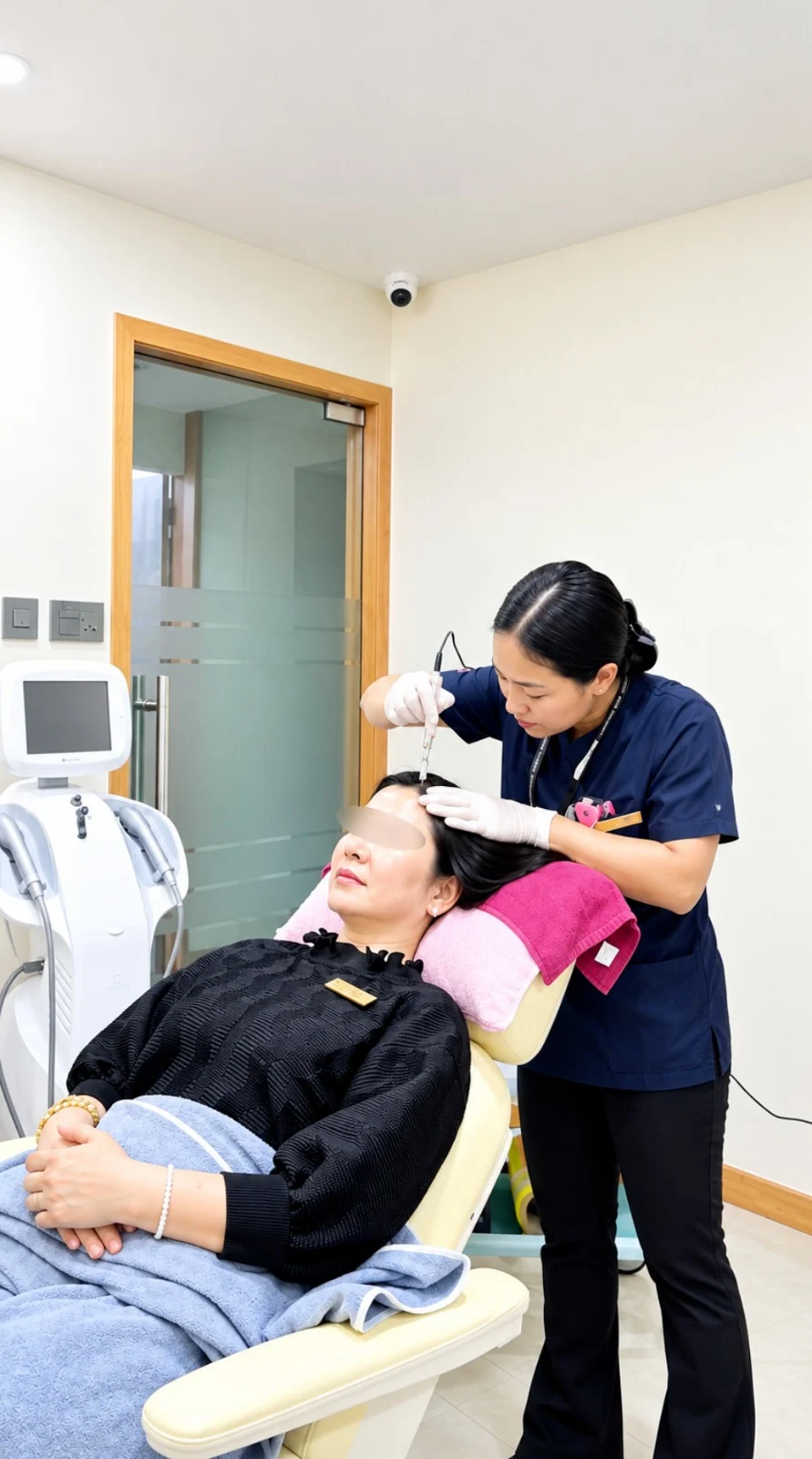
- Exosome preparations can be applied to the scalp alongside microneedling.
- Early research is encouraging, but treatment results and long-term safety are not yet established.
- We discuss suitability, alternatives, risks and follow-up before a treatment decision.
What is exosome hair treatment?
Exosomes are small particles released by cells that carry substances involved in cell-to-cell communication. Their role in tissue signalling has made them a subject of hair-loss research. Exosome preparations differ in their source, composition and how they are made; findings for one preparation cannot automatically be applied to another.
In hair care, a preparation can be applied to the scalp alongside microneedling. The appropriate approach depends on the preparation and the patient's assessment.
At Let Me In, our starting point is your hair-loss diagnosis. If exosome treatment is considered, we will explain the proposed approach, its limitations and the alternatives before you decide.
Who is exosome treatment for?
Hair thinning does not have a single cause. A widening part or thinning crown can suggest pattern hair loss, while sudden shedding, patches, itching or scaling can point to a different concern. We assess your history and scalp before discussing whether a procedure is appropriate.
During your consultation, we review when the change began, previous treatments and relevant health information. Some people need investigation or treatment for an underlying condition before considering a scalp procedure; others may benefit from established medicines or a different approach.
Tell us about medicines, allergies, scalp irritation, infections, pregnancy or breastfeeding and any other health concerns. Our hair-loss assessment guide explains how we approach thinning and shedding.
What happens during treatment?
The treatment steps depend on the preparation and technique. Our team will explain the recommended plan and answer your questions before any procedure.
-
Hair and scalp assessment
We review your hair-loss pattern, health history and goals, then discuss the options that fit your diagnosis.
-
Treatment discussion
We explain the intended application, potential discomfort, risks and alternatives, including whether microneedling is appropriate for your plan.
-
Aftercare and follow-up
We discuss scalp care, possible reactions, when to contact the clinic and how progress will be reviewed.
What results can you expect?
Early clinical studies have reported improvements in some measures of hair growth. However, many studies are small and use different preparations and techniques. The evidence does not yet establish a reliable result, an optimal schedule or long-term outcomes for every preparation.
A systematic review of clinical studies describes these limitations. We would not promise permanent regrowth or assume that a result reported in one study will apply to every patient.
Hair changes develop gradually. We discuss a suitable review point and assess your response in the context of your diagnosis and any other treatments you are using.
What are the risks and side effects?
Microneedling can cause discomfort, redness, swelling or irritation and carry a risk of infection. The preparation, its source and how it is manufactured and administered also matter. Information about long-term safety remains limited.
The US FDA has reported serious adverse events associated with unapproved exosome products. US requirements do not determine the regulatory status of a treatment in Nepal. The clinic must verify the applicable local requirements and the suitability of the preparation.
We take your medical history into account and explain the risks and aftercare relevant to your plan. Do not stop prescribed medicines without discussing them with the clinician responsible for your care.
How many sessions will you need?
There is no established course that applies to every exosome preparation or every type of hair loss. The number and spacing of appointments depend on the approach and your assessment. We discuss the proposed course and a review point before treatment, rather than promising a fixed outcome.
If progress is limited, the next step is to reassess the diagnosis, response and other treatment options. Additional sessions should have a clear clinical reason.
How does exosome treatment compare with PRP and GFC?
PRP and GFC use preparations made from a person's blood, although their processing methods differ. Exosome preparations can come from different sources and are not simply another name for PRP or GFC.
Newer does not automatically mean better. We consider your diagnosis, available evidence, treatment process and risks when discussing your options. Our PRP vs GFC guide explains those two approaches in more detail.
Meet our dermatologists for hair and scalp care
Tell our team that you are booking for hair loss so we can arrange an appropriate consultation.

Dr. Kiran Sanjel
Dermatologist · New Baneshwor and Maharajgunj
Consultations for skin and hair concerns, with care planned around your assessment.
View Dr. Kiran's profile →
Dr. Rosina Paudel
Dermatologist · Maharajgunj
Dermatology and hair restoration care, with fellowship training in hair transplant and aesthetic dermatology.
View Dr. Rosina's profile →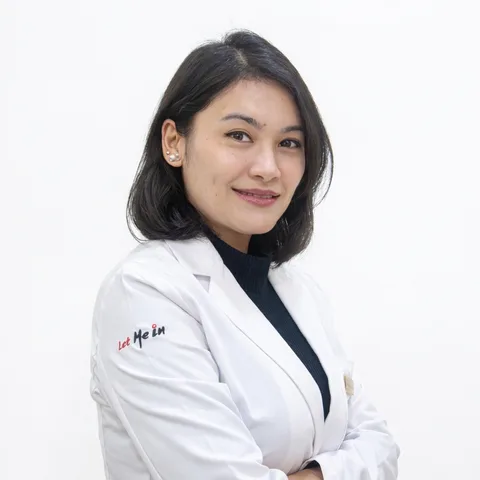
Dr. Rishna Malla
Dermatologist · Pokhara
Care for hair and scalp disorders, including hair-loss treatment and PRP therapy.
View Dr. Rishna's profile →Where can you book a hair consultation?
Visit us in Kathmandu or Pokhara. Our team will confirm your appointment and any arrangements for treatment or follow-up.


Common questions about exosome hair treatment
Is exosome hair treatment permanent?
We cannot promise permanent regrowth. The underlying cause of hair loss can continue, and long-term outcomes for individual preparations remain uncertain.
How many sessions will I need?
There is no universal course. We discuss the proposed treatment and review point after assessing your hair and scalp.
Is it better than PRP or GFC?
Current evidence does not establish that every exosome preparation is better. We explain the potential benefits and limitations of each relevant option for your diagnosis.
Is microneedling always part of treatment?
No. Application methods differ. We explain the proposed technique and its risks before you agree to a procedure.
Can I stop my hair-loss medicine?
Exosome treatment does not automatically replace ongoing care. Continue prescribed medicines unless the clinician managing them advises a change.
Is this the same as an exosome skin booster?
Hair and skin treatments have different goals and treatment areas. Preparations and techniques can differ as well, so facial treatment information should not automatically be applied to the scalp.

