


At a glance
- PRP is a scalp injection treatment prepared from your own blood.
- It may help selected cases of pattern hair loss; diagnosis comes first.
- A course involves repeat visits, a progress review and possible maintenance.
- Benefits are not guaranteed, and injections can cause discomfort.
What is PRP hair treatment?
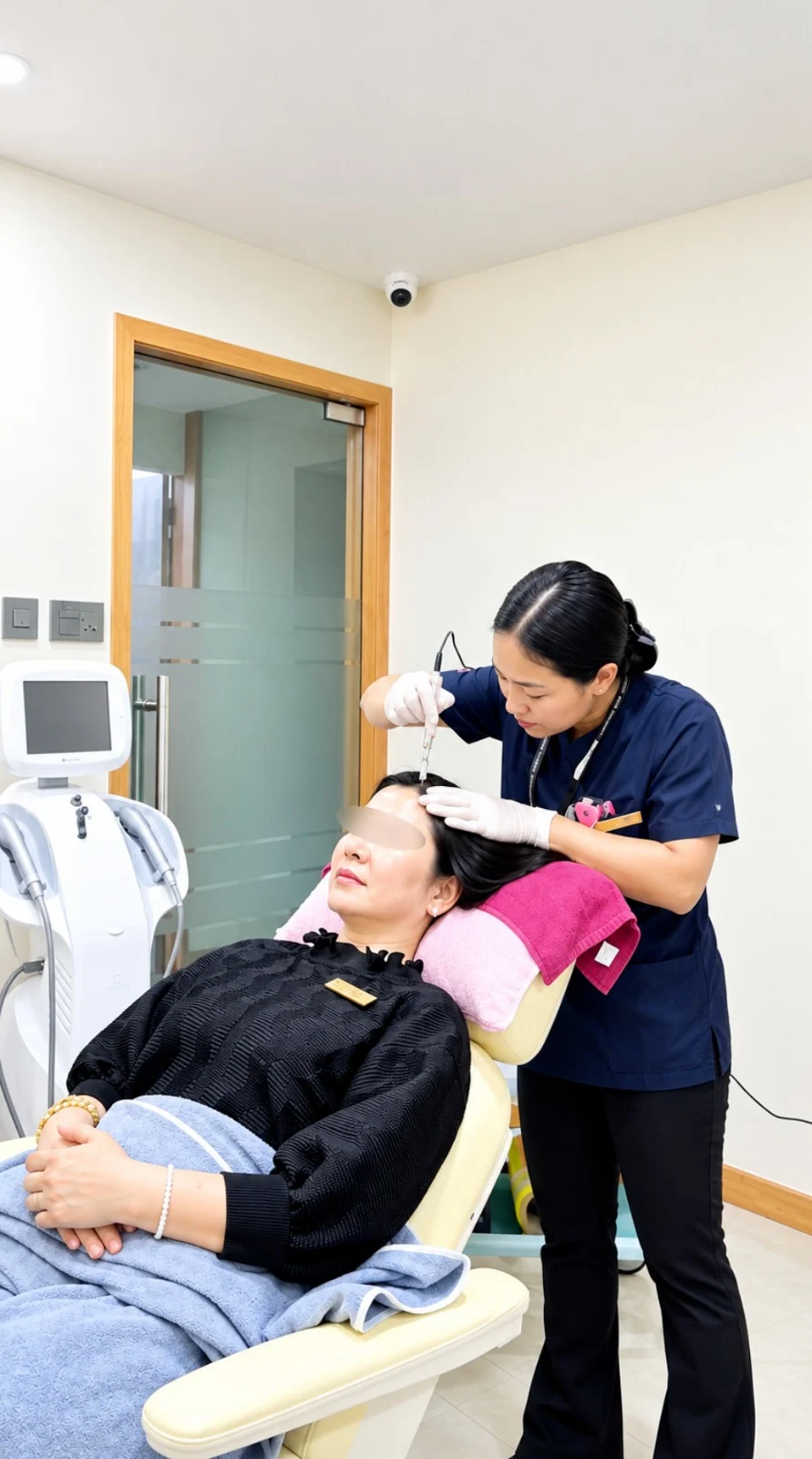
PRP stands for platelet-rich plasma. Plasma is the liquid part of blood, and platelets contain growth factors involved in tissue repair. A blood sample is processed in a centrifuge to prepare a platelet-rich portion, which is then injected into areas of scalp thinning.
The aim is to support hair growth in existing follicles. PRP does not move hair from one area to another or provide the coverage of a hair transplant. Although it is non-surgical, it still involves a blood draw and injections.
What does PRP hair treatment cost in Nepal?
We discuss the proposed course and its cost after assessing your hair loss. We explain the proposed course, follow-up and any additional care so you understand the commitment before starting.
Could PRP help with your type of hair loss?
PRP has been studied mainly for androgenetic alopecia, also called male or female pattern hair loss. This can appear as a gradually thinning crown, receding hairline or widening part. It may be considered when there is thinning hair to work with, rather than an expectation of restoring a completely bald area.
Why the cause matters
Shedding after illness, childbirth or another temporary trigger can improve as the trigger resolves. A scalp infection, inflammatory condition or nutritional deficiency may need a different treatment. PRP should not delay care for the underlying cause or be assumed to suit every case of hair fall.
During your hair-loss assessment, we consider the pattern and timing of change, your scalp and your health history. Sudden patches, pain, scaling or rapidly progressing loss deserve assessment before booking a course of injections. Tests may be useful when the history or examination suggests a specific concern.
When treatment may need to be postponed or avoided
We need to know about an active infection, a bleeding or platelet disorder, significant anaemia, ongoing medical treatment or medicines that affect bleeding. These can change whether a blood-derived injection procedure is appropriate. Pregnancy and breastfeeding should also be discussed before choosing a treatment plan.
How should you prepare for a PRP appointment?
- Bring your treatment history. Include medicines, supplements, scalp products, previous procedures and any relevant test results. Older photographs can help show the pattern of change.
- Mention previous reactions. Tell the team about allergies, problems with local anaesthetic or antiseptics, and any tendency to feel faint during a blood draw.
- Preparation instructions. We explain how to prepare your scalp and whether any products need to be avoided. Do not stop prescribed medicines, including blood thinners, on your own.
- Understand the plan. Know which area will be treated, who will perform the procedure, how discomfort will be managed and when progress will be reviewed.
What happens during PRP hair treatment?
-
Confirm suitability and the treatment area
We review your scalp and relevant health information, then explain the intended benefit, risks and alternatives. We welcome your questions before you decide whether to proceed.
-
Collect and process a blood sample
A blood sample is taken from your arm and processed to separate the platelet-rich preparation. Preparation methods differ between systems; the amount of blood and processing time are not the same everywhere.
-
Prepare the scalp and give the injections
The treatment area is cleaned and the PRP is delivered through small scalp injections. Comfort measures may be used, but you may still feel stinging or pressure. The area being treated and any additional procedure affect the time needed.
-
Leave with aftercare and follow-up instructions
We explain scalp care, how to contact the team with concerns and when your next treatment or review is planned.
Is scalp microneedling part of PRP?
Microneedling is a separate procedure that may be discussed alongside PRP. It is not automatically included in every PRP treatment. If it is proposed, we explain its purpose, additional discomfort and aftercare. Do not assume that adding a procedure guarantees a better result.
How many PRP sessions will you need?
There is no single schedule that suits everyone. The American Academy of Dermatology describes a common approach of monthly treatment for three months, followed by sessions every three to six months. This is a general example, not a fixed course for every patient. Your plan depends on the diagnosis, treatment approach, response and other care you are receiving.
| Stage | What to establish |
|---|---|
| Before treatment | Your diagnosis, starting appearance, goals and proposed course. |
| Initial sessions | How you tolerate treatment and whether the agreed plan remains appropriate. |
| Progress review | Whether there is useful improvement and whether to continue or change care. |
| Maintenance | Whether further treatment is worthwhile if you have benefited. |
We discuss the time involved and whether maintenance has a useful role in your plan. PRP is not a permanent cure for ongoing pattern hair loss, and any benefit may diminish after treatment stops.
What results are realistic, and how are they reviewed?
Possible benefits include reduced shedding or an improvement in visible density and hair thickness. Changes are assessed over months, not the day after an injection. Some people see little or no useful improvement, and an early reduction in shedding does not guarantee fuller coverage later.
What does the evidence show?
Small clinical trials have reported improvements in pattern hair loss, but findings are not consistent. A placebo-controlled trial reported improvement after PRP, while another controlled trial found no significant difference in hair-density change between PRP and saline injections. Differences in preparation, study methods and patients make a single success percentage misleading.
Measure change fairly
Comparable photographs are useful when the same scalp area, lighting, angle and hair presentation are used. Haircuts, styling and concealing fibres can change how dense hair looks. Record other treatments too: if medicines and PRP are started together, improvement cannot automatically be attributed to PRP alone.
If progress is limited, we review the diagnosis, ongoing shedding triggers, side effects and alternatives with you. Continuing injections indefinitely without a useful response is not the only option.
Is PRP painful, and what are the risks?
A blood draw and scalp injections can be uncomfortable. Temporary soreness, tenderness, swelling or small areas of bruising can occur. How much you feel varies with the treatment area, technique and comfort measures used.
Using your own blood does not make the procedure risk-free. Infection and injury at injection sites are possible, and products used during treatment, such as local anaesthetic, can cause reactions. Careful medical screening and sterile preparation and treatment are important.
Symptoms that worsen or persist should be assessed rather than assumed to be normal. Contact the treating team promptly for increasing pain, spreading redness, discharge, fever or bleeding that does not settle. Seek urgent medical care for severe symptoms such as difficulty breathing.
How should you care for your scalp afterwards?
Follow the instructions for your actual procedure, especially if PRP was combined with another treatment. Many people can return to routine activities soon afterwards, but scalp sensitivity and visible injection marks can affect your plans.
- Avoid scratching or picking at injection sites.
- We explain when to wash your hair and restart scalp products, including prescribed topical treatment.
- We provide advice on exercise, heat exposure, hair colouring and scalp massage for your procedure.
- Use only the pain relief advised for you. Do not independently stop or change prescribed medication.
- Keep the clinic's contact details and attend the agreed progress review.
How does PRP fit with other hair treatments?
Medicines and care for the cause
Medicines such as minoxidil, or other prescription options where appropriate, may be discussed before or alongside PRP. Treating a scalp condition or confirmed deficiency may be more relevant than injections. Your clinician can explain the benefits, risks and ongoing commitment of each option. PRP does not automatically replace existing treatment.
GFC hair treatment
GFC hair treatment also uses a blood-derived preparation, but the preparation method differs. A more concentrated product or a higher price does not by itself establish a better outcome for you. A comparison of PRP and GFC should consider evidence, suitability, treatment burden and cost.
Hair transplantation
A hair transplant moves follicles from a donor area to an area needing coverage. It requires a separate assessment of the donor supply, pattern of loss and long-term plan. PRP may be discussed alongside surgical care, but it does not replace transplanted follicles or guarantee their survival.
Meet our dermatologists for hair and scalp care
Tell our team that you are booking for hair loss so we can arrange an appropriate consultation.

Dr. Kiran Sanjel
Dermatologist · New Baneshwor and Maharajgunj
Consultations for skin and hair concerns, with care planned around your assessment.
View Dr. Kiran's profile →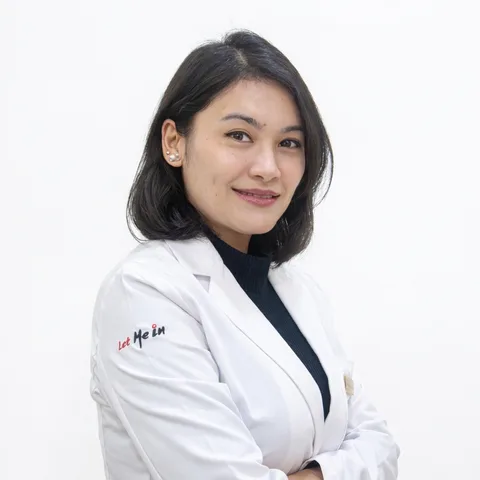
Dr. Rishna Malla
Dermatologist · Pokhara
Care for hair and scalp disorders, including hair-loss treatment and PRP therapy.
View Dr. Rishna's profile →Where can you book a hair consultation?
Visit us in Kathmandu or Pokhara. Our team will confirm your appointment and any arrangements for treatment or follow-up.


Common questions about PRP hair treatment
Are three PRP sessions enough?
Three monthly sessions are one commonly described starting course, not a promise of results. The appropriate course and review timing depend on your diagnosis and response. More sessions should have a clinical reason rather than being assumed necessary for everyone.
Does PRP regrow hair permanently?
PRP does not remove the underlying tendency to pattern hair loss. Benefits may need ongoing treatment to be maintained, and some people do not respond. Discuss maintenance and alternatives before committing to an initial course.
Can women have PRP for thinning hair?
PRP may be considered for female pattern hair loss after assessment. Shedding after childbirth or illness has a different course and does not automatically require PRP. Pregnancy, breastfeeding and other health factors affect treatment decisions.
Can PRP restore a completely bald area?
PRP is generally considered for thinning where hair follicles remain. It should not be expected to recreate full coverage in an established bald area. Examination helps distinguish pattern loss from patchy or scarring conditions and identify appropriate options.
When can I wash my hair after PRP?
We give you washing and product guidance for your procedure. The timing can differ if another treatment, such as microneedling, is included.
Can I stop my hair-loss medicine after starting PRP?
Do not change prescribed treatment on your own. PRP may be part of a combined plan, and stopping a medicine can change your hair-loss control. Discuss any side effects, inconvenience or cost concerns so the plan can be reviewed.