


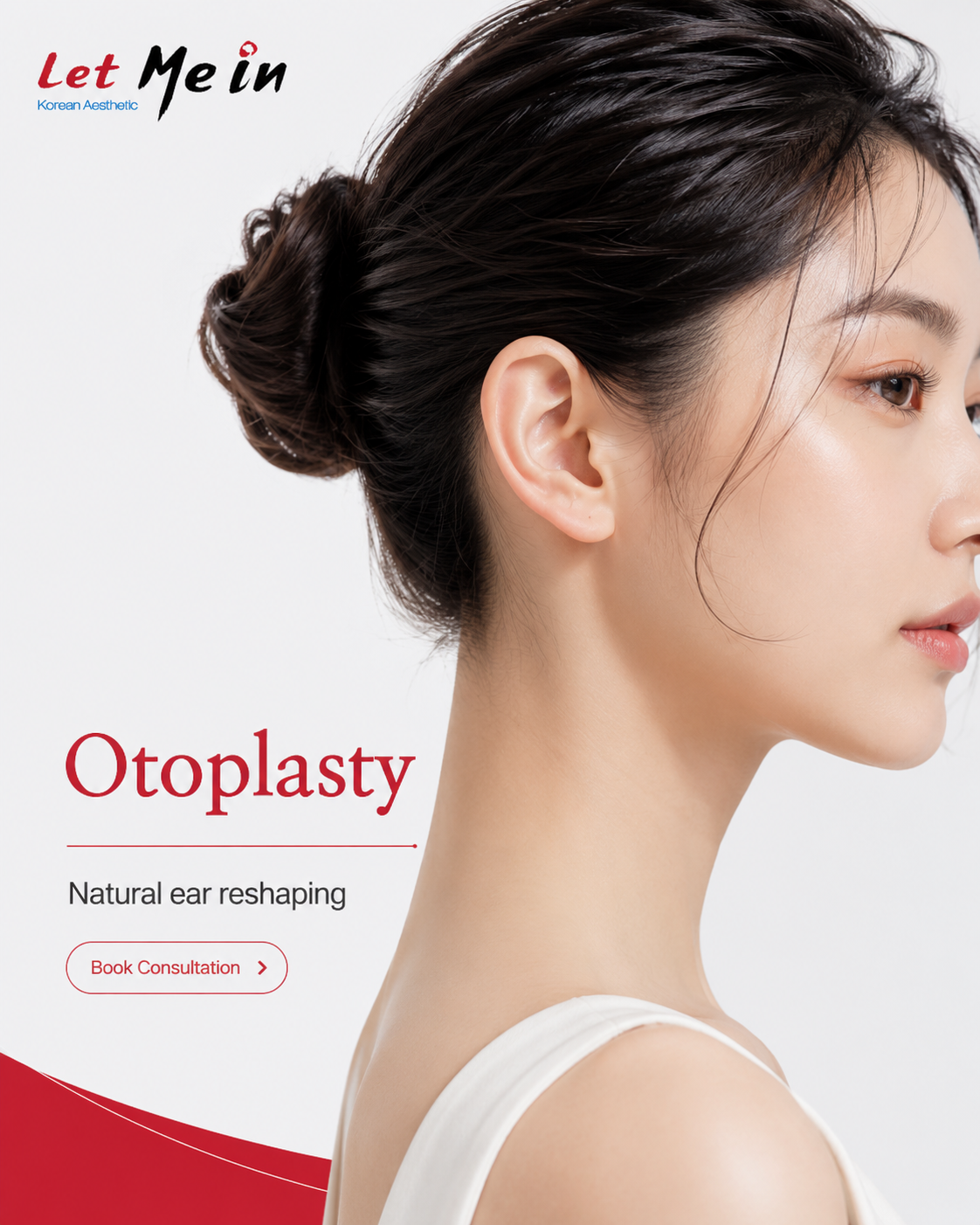
Otoplasty, also called ear reshaping, ear pinning or pinnaplasty, is surgical care for prominent, protruding, uneven, large or misshapen outer ears. It aims to improve ear shape, position or proportion. The incision is often behind the ear, depending on the case, and local or general anaesthesia is selected according to age and case. Recovery often takes a few weeks, with a headband often advised during early recovery.
Dr. Apar Lamichhane performs this treatment at our Maharajgunj clinic.
What is Otoplasty?
Otoplasty is a surgical procedure that changes the visible outer ear to improve projection, fold definition, shape, or balance with the face. It works on cartilage and soft tissue, not inner-ear hearing structures. Because ear reshaping needs incision placement, scar planning, and cartilage judgement, it is assessed as a surgical correction, not a cosmetic skin treatment.
What Concerns Can Otoplasty Treat?
- Prominent / Protruding Ears: Can bring ears closer to the head in suitable cases.
- Bat Ear Appearance: Often corrected with cartilage reshaping and repositioning.
- Ear Asymmetry: May improve visible differences in shape or projection.
- Large / Folded / Cupped Ears: Selected cases may benefit from contour and structural adjustments.
Ear Pinning vs Ear Reshaping
| Ear Pinning | Ear Reshaping |
|---|---|
| Focuses on ears that stick out | Focuses on shape, size, or contour |
| Brings ears closer to head | Adjusts cartilage structure and folds |
| Common in prominent ears | Can treat cupped, uneven, folded, or large ears |
Who is a Good Candidate for Otoplasty?
- Ears that stick out more than desired
- Prominent, protruding, or uneven ears
- Shape concerns from birth or injury
- Fully developed ears
- Stable general health and realistic expectations
- Ability to follow recovery instructions
What Age is Best for Otoplasty?
Otoplasty can be considered after enough ear development and is performed for children, teenagers, and adults when clinically suitable. Readiness, health status, and ability to follow aftercare are important factors.
Who May Not Be Suitable?
- Active ear infection
- Uncontrolled diabetes or bleeding problems
- Heavy smoking without ability to pause
- Poor wound-healing history
- Expectation of perfect symmetry or no scar at all
- Inability to protect ears during recovery
Your Otoplasty Consultation at Let Me In
Consultation includes ear shape/projection and cartilage fold assessment, facial balance review, medical and surgery history, anaesthesia planning, scar placement guidance, headband guidance, risk discussion, cost estimate, and follow-up plan.
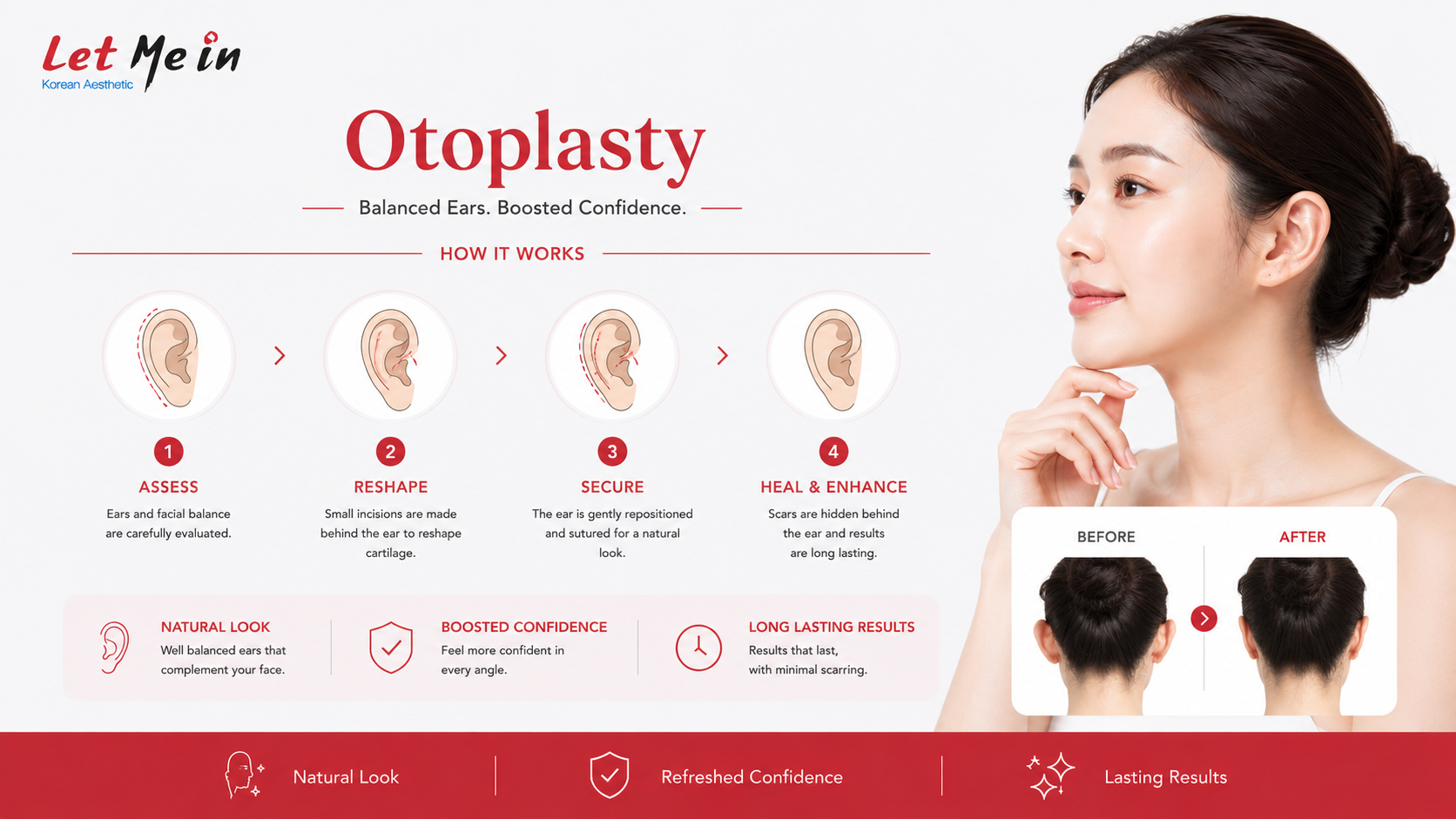
How Otoplasty is Performed
The Procedure
Technique is selected based on ear shape, cartilage properties, and correction goals.
Ear Marking
Projection, fold lines, and planned correction are marked before surgery.
Anaesthesia
Local or general anaesthesia is selected based on age, comfort, and case complexity.
Incision Placement
Incision is commonly behind the ear where scar is less visible.
Cartilage Reshaping
Cartilage may be folded, shaped, weakened, reduced, or repositioned as needed.
Sutures and Closure
Sutures hold the new contour/position and incision is carefully closed.
Dressing
Dressing or head wrap is applied and aftercare instructions are provided.
Recovery After Otoplasty
| Day 1 to 3 | Swelling, tightness, soreness, and dressing support are common. |
|---|---|
| First week | Follow-up may be needed and stitches may be checked. |
| 1 to 2 weeks | Many adults return to light routine activity. |
| 2 to 6 weeks | Headband use may continue, often at night. |
| 6 weeks and beyond | Most swelling improves and ear shape keeps settling. |
| Several months | Scar and final shape continue maturing. |
Aftercare After Ear Reshaping Surgery
- Keep dressing clean and dry
- Wear headband as advised
- Avoid sleeping on treated ears
- Avoid bending/pulling ears
- Avoid heavy exercise and tight helmets until cleared
- Take prescribed medicines
- Attend all follow-up visits
Possible Risks and Side Effects
- Swelling, bruising, pain, bleeding, infection
- Cartilage infection or hematoma
- Numbness or sensation changes
- Scarring or keloid tendency
- Asymmetry, over/under-correction
- Suture irritation, recurrence tendency, revision need
Otoplasty Cost in Nepal
Cost depends on one or both ears, concern complexity, cartilage reshaping requirement, anaesthesia plan, procedure time, and follow-up care.
What Results Can You Expect?
Otoplasty can improve ear shape, position, and balance. Results should look natural with your facial proportions. Final outcome becomes clearer as swelling settles.
What Otoplasty Cannot Do
- Improve hearing or treat inner-ear disease
- Guarantee perfect symmetry
- Guarantee no scar
- Guarantee zero long-term change
Why Choose Let Me In for Otoplasty?
Surgeon-led ear assessment with natural balance goals and clear recovery planning.

Dr. Apar Lamichhane
- Otoplasty by M.Ch Plastic Surgeon
- M.Ch Plastic and Reconstructive Surgery, NAMS
- Consultant Plastic and Reconstructive Surgeon
- Surgeon-led projection and cartilage assessment
- Pinning/reshaping method selection based on anatomy
- Headband, scar, and follow-up guidance
Frequently Asked Questions
What is otoplasty?
Otoplasty is surgery that improves the shape, position, or proportion of the outer ear.Is otoplasty the same as ear pinning?
Ear pinning is one type of otoplasty. Otoplasty can also include reshaping and asymmetry correction.What is pinnaplasty?
Pinnaplasty is another term used for ear pinning or ear reshaping surgery.Can protruding ears be corrected?
Yes, suitable cases can be corrected by reshaping or repositioning cartilage so ears sit closer to the head.Can otoplasty fix one ear only?
Yes. One-sided correction is possible when only one ear needs treatment.Can otoplasty improve ear asymmetry?
It may improve balance, but perfect symmetry cannot be guaranteed.Does otoplasty affect hearing?
No. Otoplasty works on the outer ear and does not treat hearing structures.Will Otoplasty Affect Hearing?
No. Otoplasty works on the outer ear and does not treat the ear canal, eardrum, or inner-ear hearing structures.What age is best for otoplasty?
It is often done after sufficient ear development and can be considered for children, teens, or adults depending on readiness and suitability.How is otoplasty done?
The surgeon usually places an incision behind the ear, reshapes/repositions cartilage, and uses sutures to hold the new contour.Is otoplasty painful?
Anaesthesia reduces pain during surgery. Soreness, swelling, and tightness can occur during early healing.Do I need to wear a headband after otoplasty?
A headband is commonly advised in early recovery to protect the ear from bending or pressure.Will otoplasty leave scars?
Scars can form, often behind the ear where they are less visible. Healing varies by person.Are otoplasty results permanent?
Results are designed to be long-lasting, though minor changes can happen over time.Can ears stick out again after otoplasty?
In some cases, slight forward movement can recur due to healing patterns or cartilage memory.What are the risks of otoplasty?
Risks include swelling, bleeding, infection, asymmetry, scar issues, over/undercorrection, and possible revision need.How much does otoplasty cost in Nepal?
Cost depends on one or both ears, correction complexity, anaesthesia, and follow-up care.Related Plastic Surgery Care
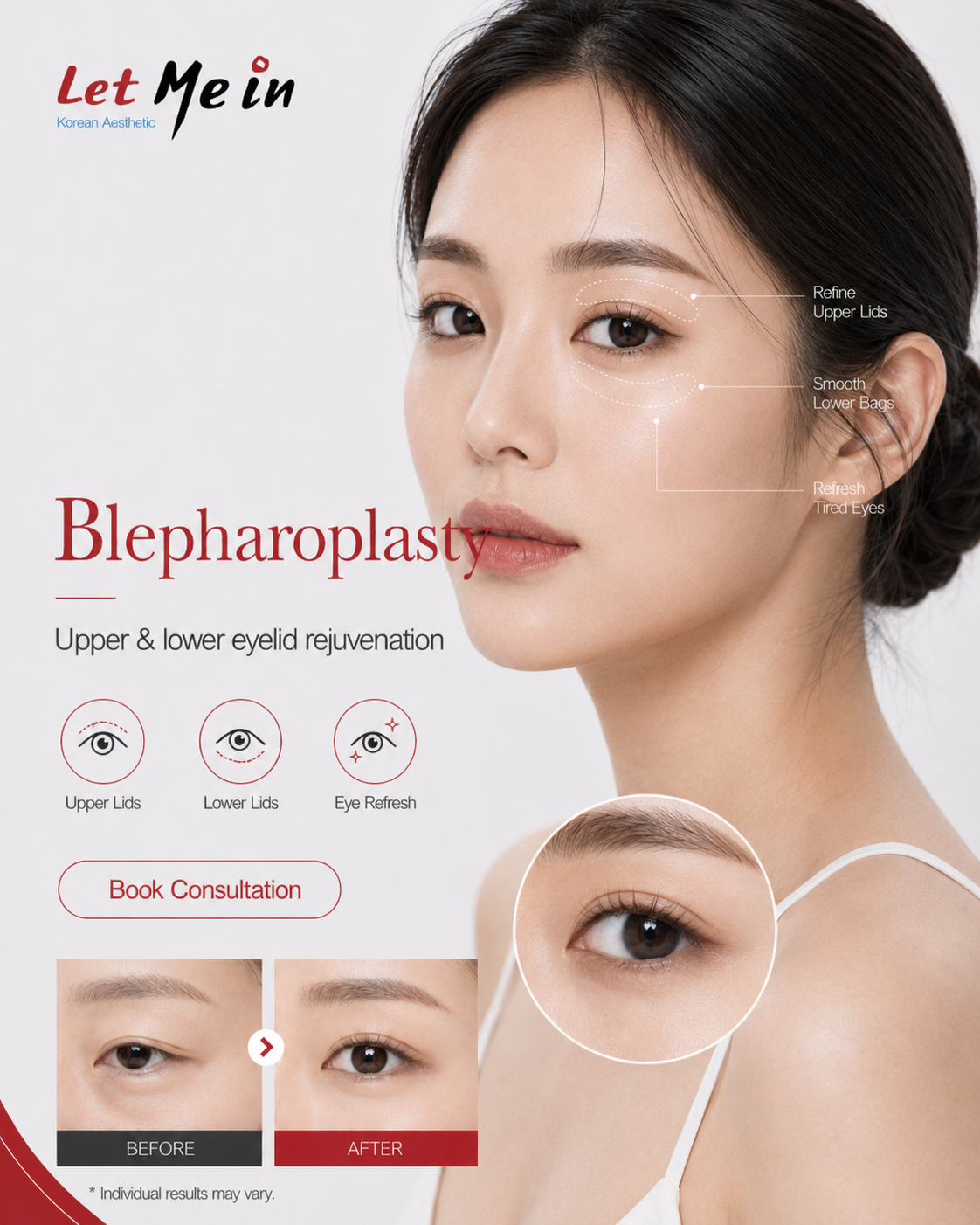
Blepharoplasty
Upper or lower eyelid correction
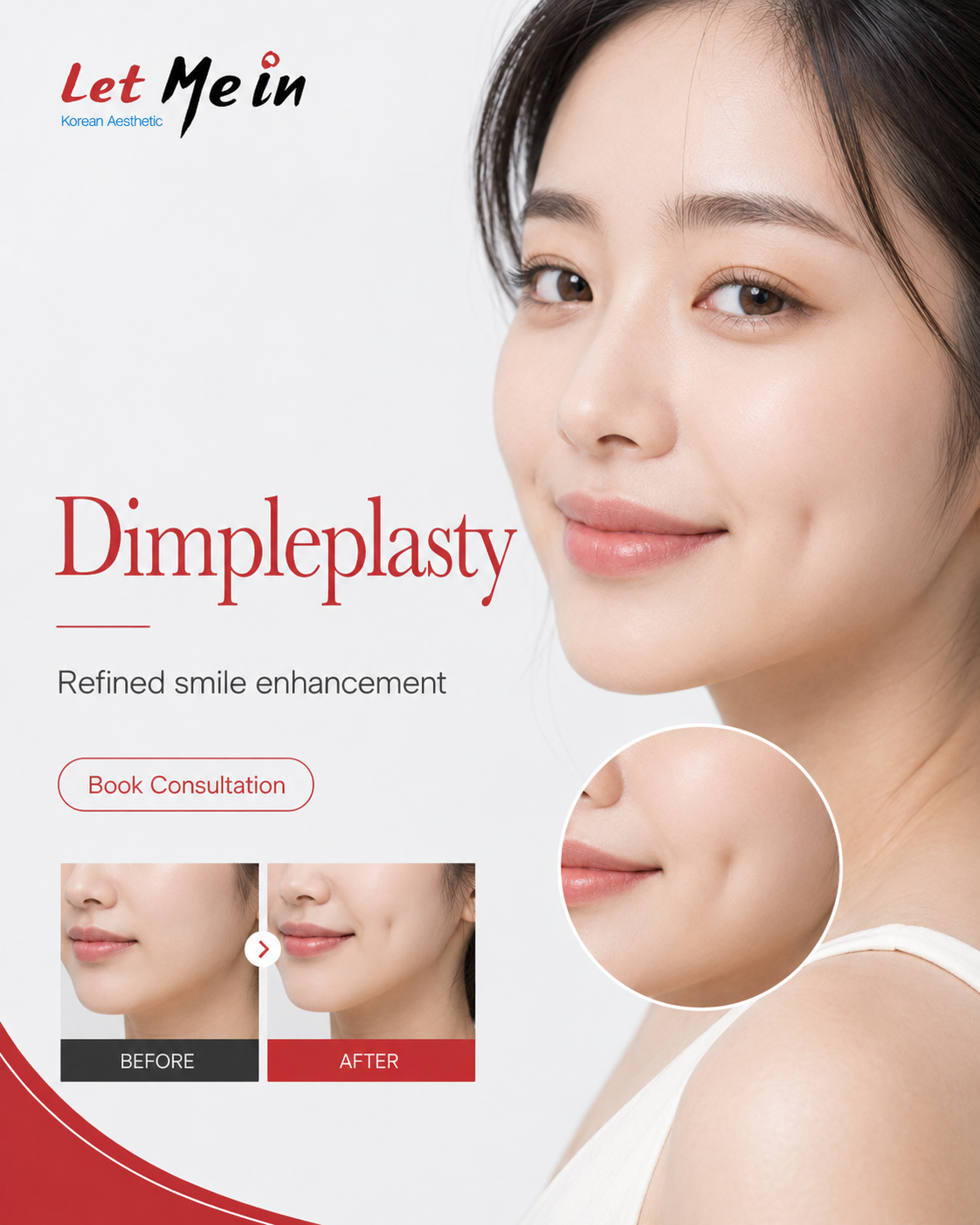
Dimpleplasty
Cheek dimple creation surgery
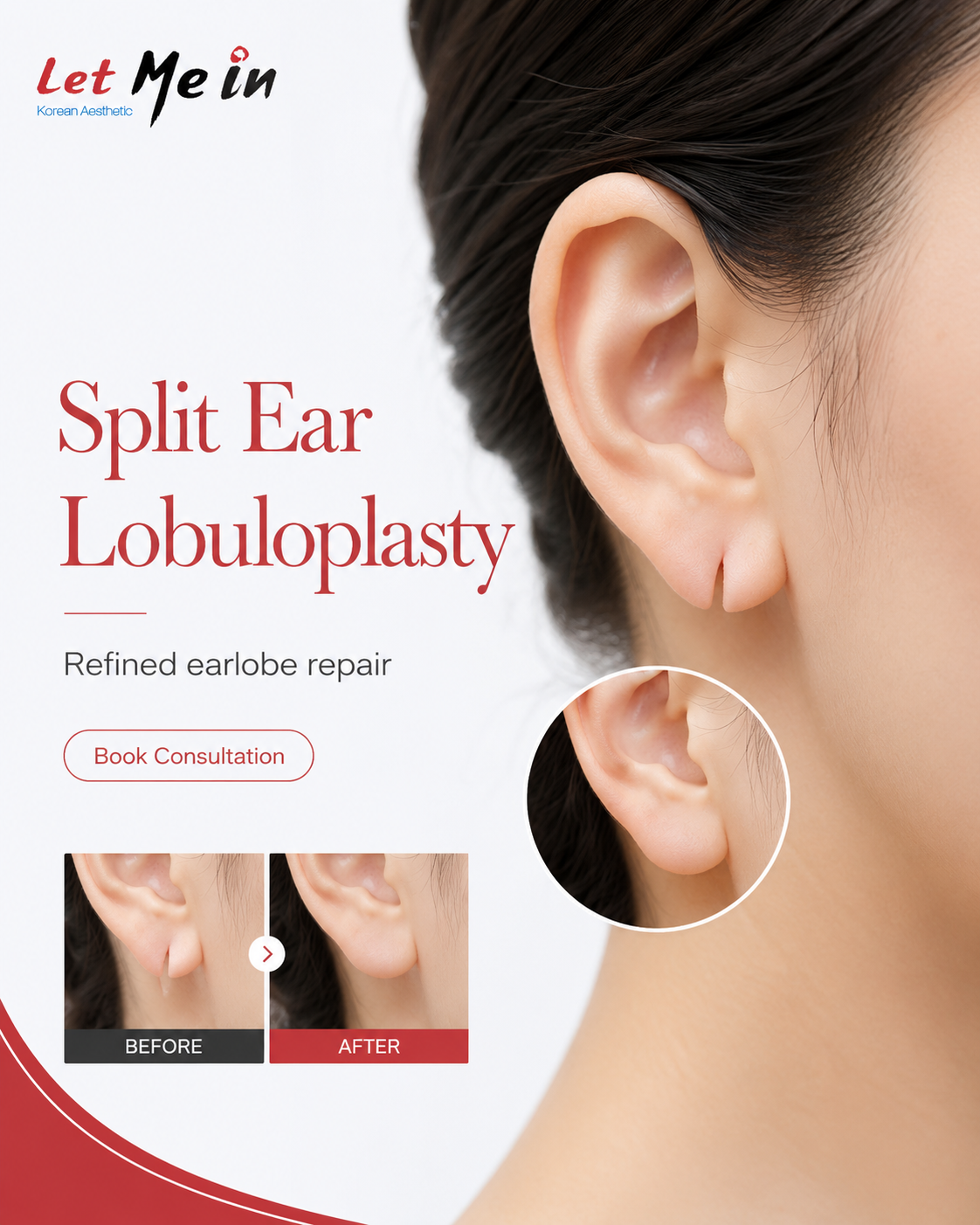
Split Earlobe Repair
Lobuloplasty for torn or stretched earlobes
Minor Liposuction
Targeted contouring for small fat pockets
Fat Grafting
Volume restoration using your own fat
Otoplasty
Ear reshaping and ear pinning surgery