

Fat grafting, also called fat transfer, fat injection or lipofilling, treats volume loss, contour dents, soft tissue depressions and selected scars. Fat is surgically harvested from the abdomen, thighs, flanks, waist or other suitable fat areas and reinjected into areas such as the face, cheeks, under-eyes, lips, hands, scars or selected body areas. Local or general anaesthesia depends on the area and case. Recovery depends on both donor and treatment areas; some transferred fat survives long term, while some may be absorbed.
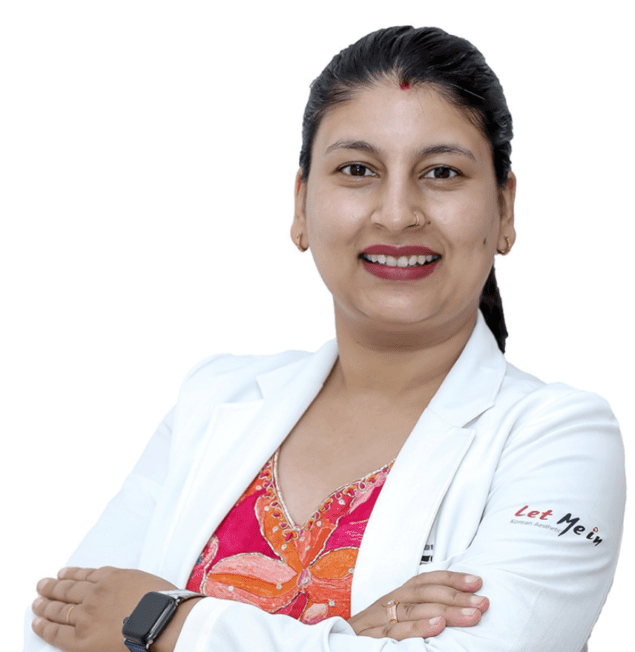
Dr. Apar Lamichhane performs this treatment at our Maharajgunj clinic.
What is Fat Grafting?
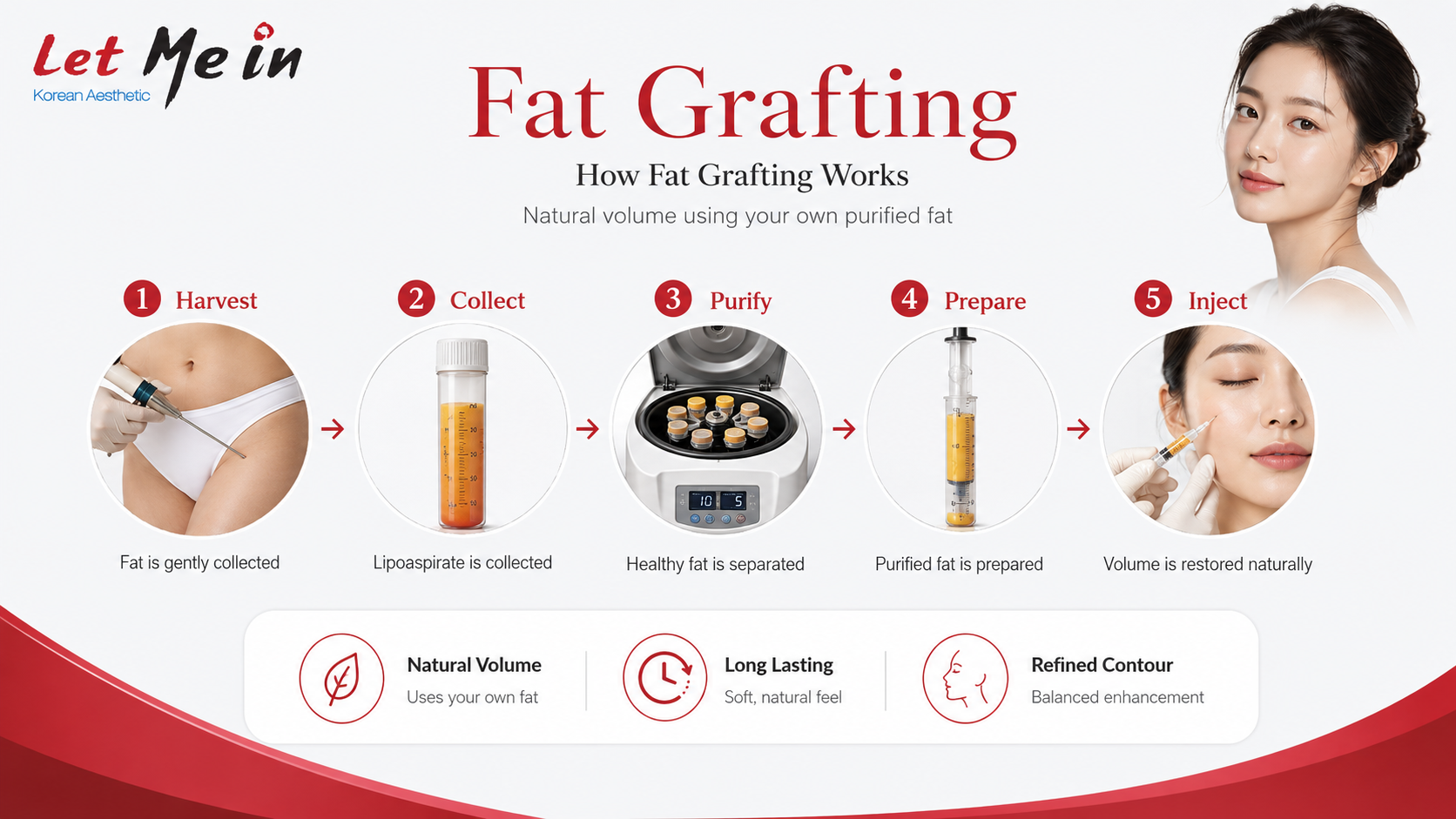
Fat grafting transfers fat from one body area to another area needing volume restoration. Harvested fat is processed and reinjected in careful layers to improve contour.
Because it uses your own tissue, this is also called autologous fat transfer. It needs surgical planning because both the donor area and the receiving area require judgement, not just volume filling.
How Fat Grafting Works
Fat harvesting: Fat is gently removed from a donor area using small liposuction access points, based on treatment goals and safety limits.
Fat processing: The harvested fat is prepared to separate usable fat cells from fluid, blood, and damaged tissue before transfer.
Fat placement: Prepared fat is injected into the treatment area in small, careful layers to support smoother contour and better survival.
How is Fat Grafting Different from Fillers?
| Fat Grafting | Dermal Fillers |
|---|---|
| Uses your own fat | Uses filler material |
| Requires fat harvesting | No harvesting required |
| Surgical procedure | Non-surgical injectable treatment |
| May suit larger volume needs | Often used for smaller refinements |
What Areas Can Fat Grafting Treat?
- Face and Cheeks: May restore soft facial volume and improve contour balance.
- Under-Eyes: May help selected under-eye hollows after careful assessment.
- Hands and Lips: May add selected soft volume depending on anatomy and goal.
- Scars and Dents: May improve support under selected depressed areas.
Where is the Fat Taken From?
- Abdomen
- Thighs
- Flanks
- Waist
- Hips
Donor area is selected based on safety, fat availability, and treatment requirements.
Your Fat Grafting Consultation at Let Me In
Consultation includes donor and treatment area assessment, skin quality review, weight stability discussion, medical and medicine history review, anaesthesia planning, risk and recovery guidance, cost estimate, and follow-up plan.
How Fat Grafting is Performed
The Procedure
Method is planned based on donor area, treatment area, target volume, and safety needs.
Marking
Donor and treatment areas are marked before surgery.
Anaesthesia
Local or general anaesthesia is selected based on case size and complexity.
Harvesting and Processing
Fat is harvested and processed for quality before reinjection.
Fat Injection
Prepared fat is placed in small amounts to improve contour and support survival.
Dressing and Recovery Guidance
You receive aftercare instructions, medicines guidance, and follow-up advice.
Candidate Suitability for Fat Grafting
| Who is a Good Candidate for Fat Grafting? |
|
|---|---|
| Who May Not Be Suitable? |
|
Recovery After Fat Grafting
Recovery after fat grafting depends on the donor area, treatment area, amount of fat transferred, and your body’s healing response.
Day 1 to 3
Phase 1
Swelling, bruising, soreness, and tightness can appear in both donor and treated areas. This is an expected early healing response. Rest, medicine compliance, and avoiding unnecessary pressure on treated zones are important in this phase.
Week 1
Phase 2
Many people begin returning to light routine activity based on comfort and treatment area. You may still feel tenderness, and visible swelling may remain. Continue aftercare closely and avoid activities that strain donor or grafted areas.
Weeks 2 to 3
Phase 3
Bruising and swelling usually continue to improve gradually. Contour begins to look cleaner, though results may still fluctuate as tissues settle. It is still too early to judge final fat survival at this stage.
Weeks 4 to 6
Phase 4
Treated areas continue to settle, and day-to-day comfort typically improves further. Depending on your surgeon’s clearance, activity may increase step by step. Subtle contour refinement continues during this period.
3 to 6 months
Mature
More stable results become clearer as residual swelling settles and surviving fat stabilizes. The final look depends on fat survival, tissue response, and weight stability. This stage gives a more realistic view of long-term outcome.
Aftercare After Fat Transfer
- Take medicines as prescribed
- Keep treated areas clean
- Avoid pressure on grafted area
- Avoid smoking and alcohol during early healing
- Avoid heavy exercise until cleared
- Wear donor-area compression if advised
- Attend follow-up visits
How Long Do Results Last?
Some transferred fat survives long term while some is naturally absorbed during healing. Final results depend on fat survival, blood supply, technique, aftercare, smoking status, and weight stability.
Possible Risks and Side Effects
- Swelling, bruising, soreness, bleeding, infection
- Fluid collection, numbness, discoloration
- Lumpiness, uneven volume, asymmetry, fat absorption
- Fat necrosis, oil cysts, contour irregularity
- Need for additional session or revision
- Rare but serious complications
Fat Grafting Cost in Nepal
Cost depends on donor area, treatment area, fat volume, anaesthesia plan, procedure time, and follow-up care. Final pricing is provided after case assessment.
What Fat Grafting Cannot Do
- Guarantee full fat survival
- Guarantee perfect symmetry
- Replace facelift or major structural procedures
- Tighten loose skin by itself
- Guarantee one-session adequacy for every patient
Why Choose Let Me In for Fat Grafting?
Surgeon-led donor and treatment planning focused on natural-looking volume restoration.
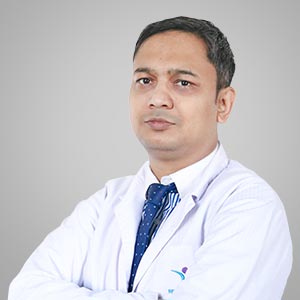
Dr. Apar Lamichhane
- Fat grafting by M.Ch Plastic Surgeon
- M.Ch Plastic and Reconstructive Surgery, NAMS
- Consultant Plastic and Reconstructive Surgeon
- Surgeon-led donor and treatment-area planning
- Clear discussion on fat survival and realistic outcomes
- Structured donor-area and treatment-area aftercare
Frequently Asked Questions
What is fat grafting?
Fat grafting is a procedure that takes fat from one area of your body and transfers it to another area that needs volume or contour improvement.Is fat grafting the same as fat transfer?
Yes. Fat grafting is also called fat transfer, fat injection, or lipofilling.How is fat grafting done?
Fat is harvested from a donor area, processed, and injected into the treatment area in planned layers.Where is the fat taken from?
Common donor areas include abdomen, thighs, flanks, waist, and hips depending on fat availability and safety.Where can fat be injected?
Selected areas may include cheeks, under-eyes, lips, hands, scars, dents, and selected body areas.Is fat grafting better than fillers?
It depends on your concern. Fat grafting uses your own tissue and may suit larger volume restoration, while fillers may suit smaller non-surgical refinements.Is fat grafting painful?
Anaesthesia reduces pain during treatment. Soreness, swelling, bruising, or tightness can happen after the procedure.Is fat grafting done under local anaesthesia?
Small cases may be done under local anaesthesia; larger or multiple areas may need sedation or general anaesthesia.How long is recovery after fat grafting?
Recovery varies by donor and treatment areas. Many people return to light routine activity in about a week, while full settling takes longer.How long do results last?
The fat that survives after healing can last long term, but results can still change with weight changes, ageing, and lifestyle.How much transferred fat survives?
Not all transferred fat survives. A portion can be absorbed during healing and the exact survival varies by patient and area.Do I need more than one session?
Some people may need more than one session to reach target volume.Can fat grafting help under-eye hollows?
It may help selected under-eye hollowing, but this area needs careful assessment and not all concerns are suitable.Can fat grafting help scars and dents?
It may improve selected depressed scars or contour dents by improving soft tissue support.What are the risks of fat grafting?
Possible risks include swelling, bruising, uneven volume, lumpiness, fat absorption, fat necrosis, oil cysts, and rare serious complications.How much does fat grafting cost in Nepal?
Cost depends on donor area, treatment area, fat volume, anaesthesia plan, procedure time, and follow-up care.Who should avoid fat grafting?
People without enough donor fat, unstable weight, uncontrolled medical conditions, active infection, heavy smoking, or unrealistic expectations may not be suitable.Related Plastic Surgery Care
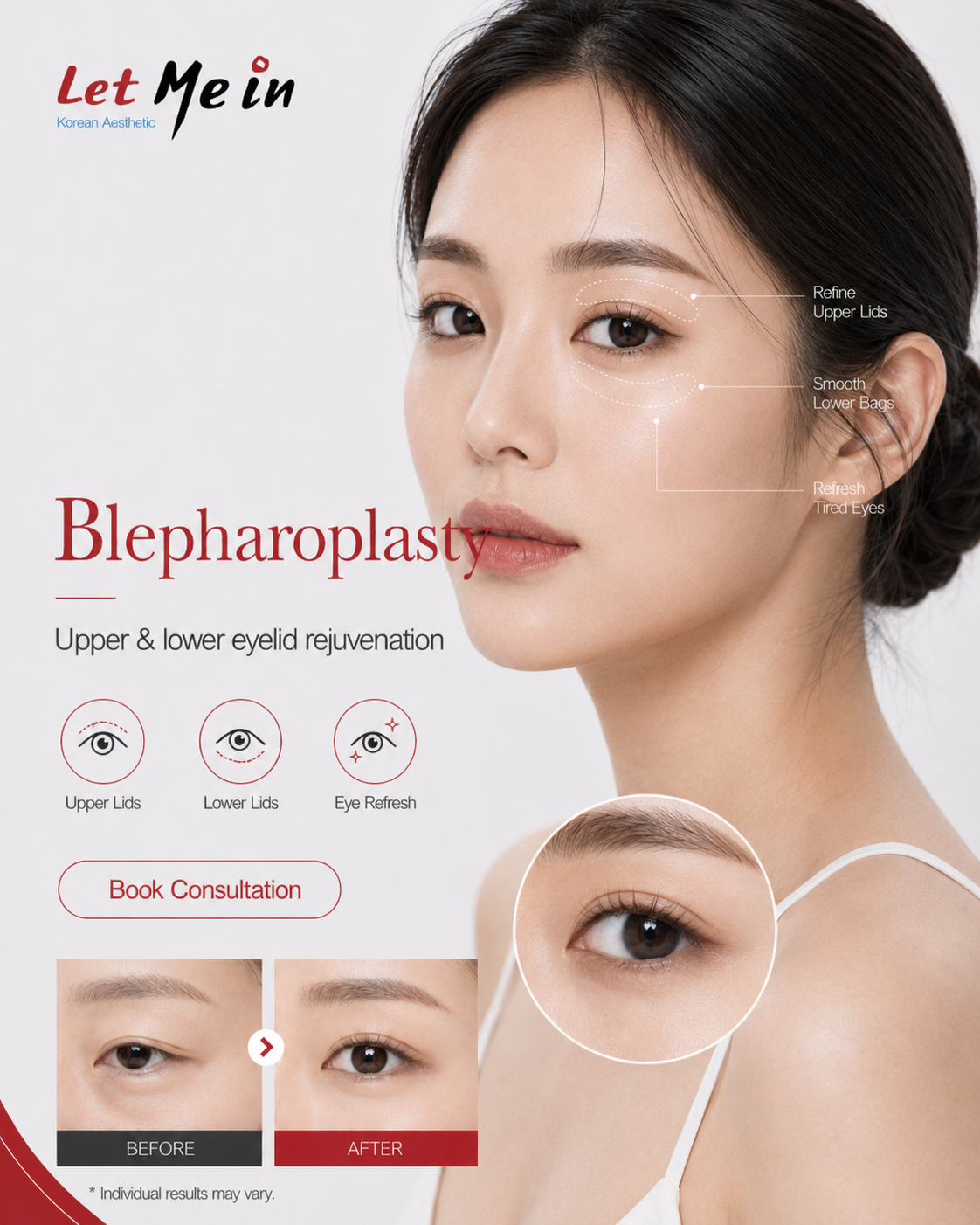
Blepharoplasty
Upper or lower eyelid correction
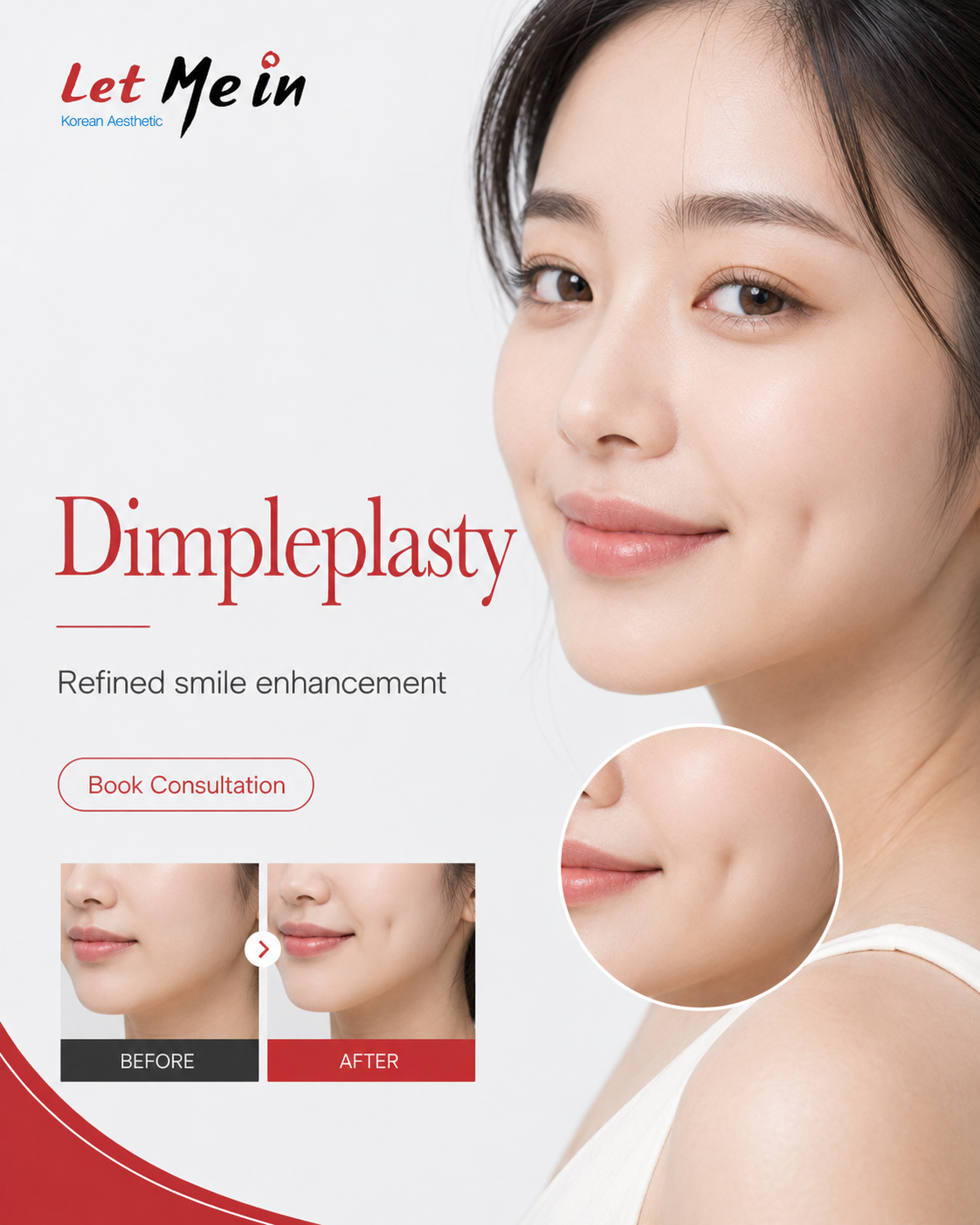
Dimpleplasty
Cheek dimple creation surgery
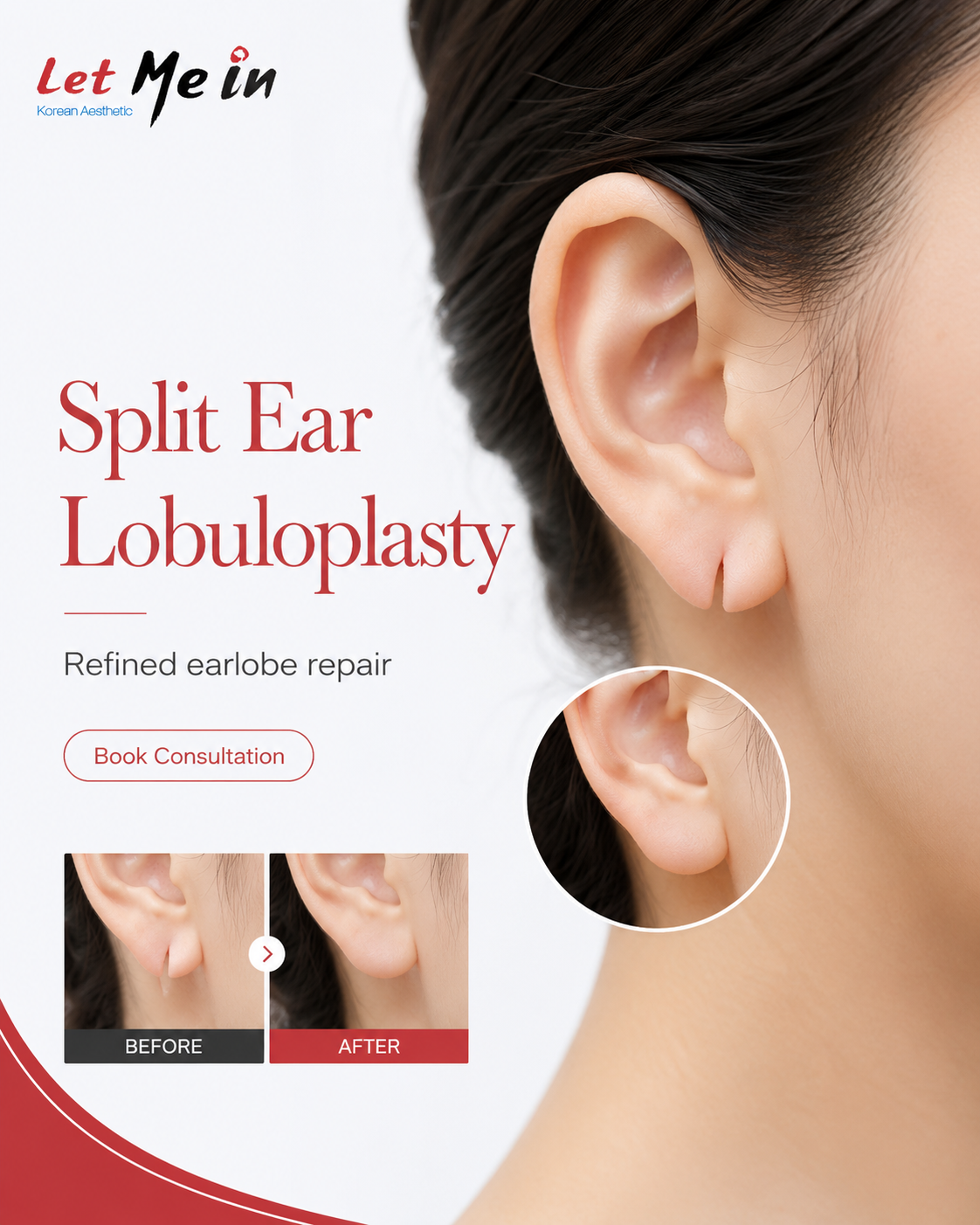
Split Earlobe Repair
Lobuloplasty for torn or stretched earlobes
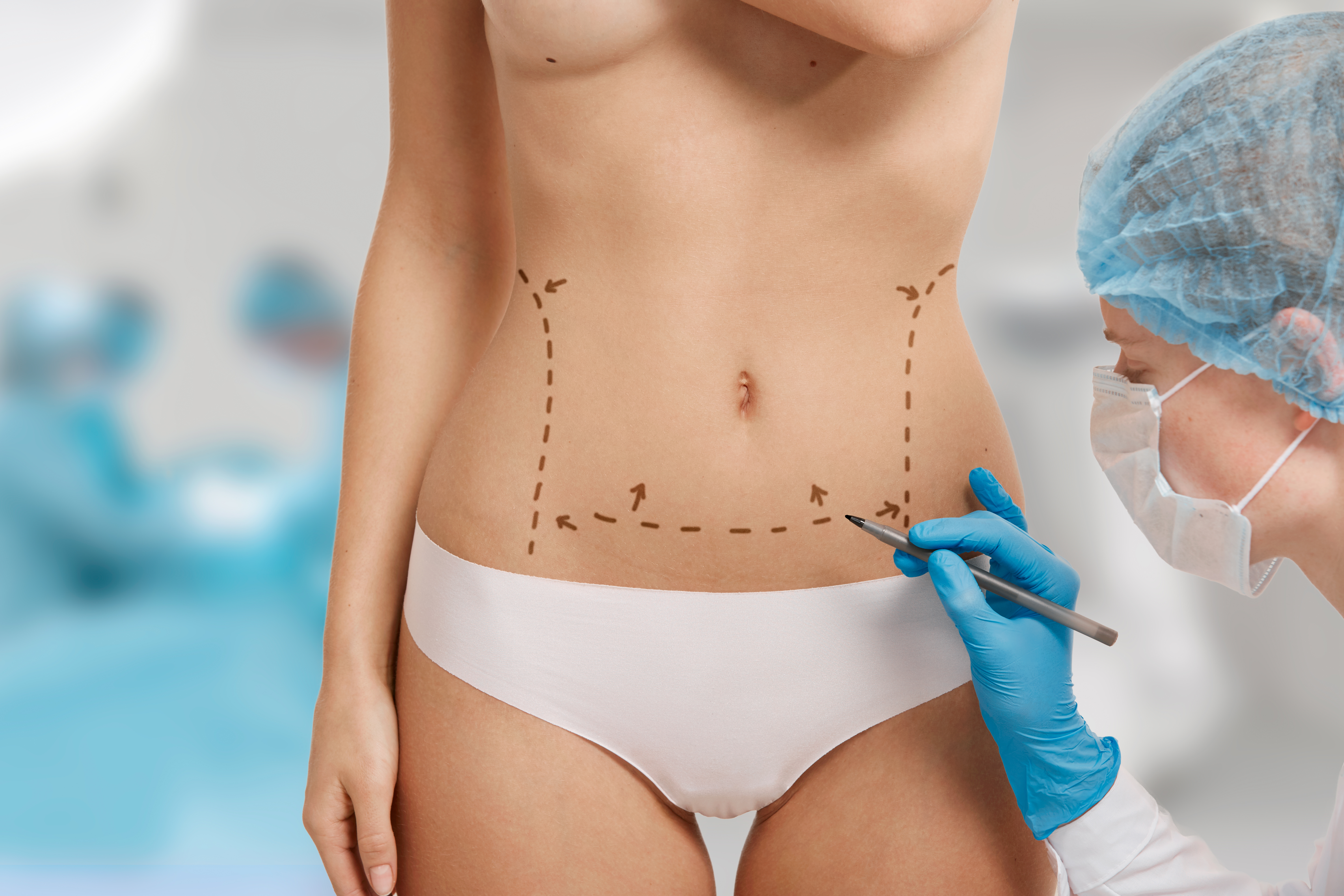
Minor Liposuction
Targeted contouring for small fat pockets
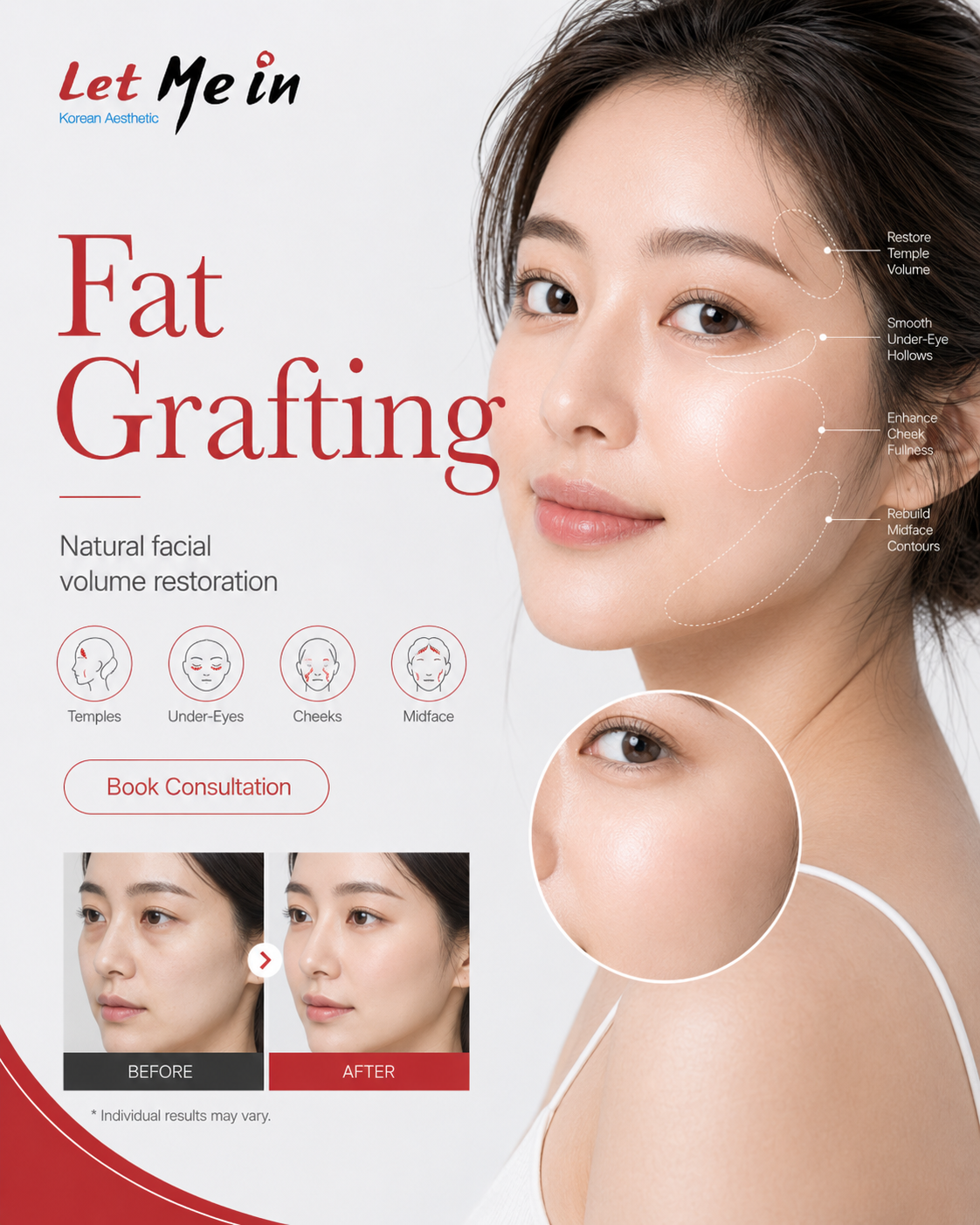
Fat Grafting
Volume restoration using your own fat
Otoplasty
Ear reshaping and ear pinning surgery